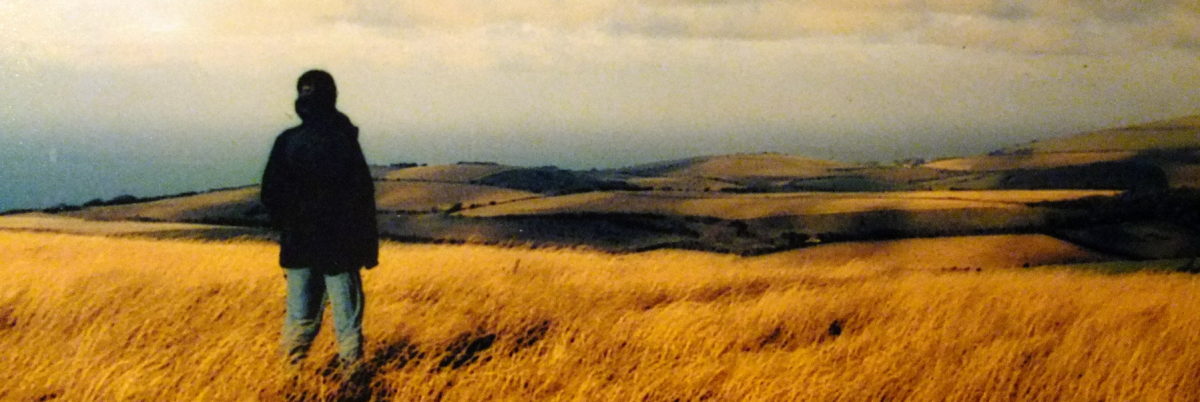

I recently returned from a trip through the Baltic trio — Estonia, Latvia and Lithuania, those small northern countries perching on the Baltic Sea. Like many Americans, I knew very little about these countries so I was glad for the opportunity to experience them.
As I journeyed, this Baltic trio sang their stories to me. And, walking through the streets and museums, the old churches and the lively downtown shops, I listened, and I learned.
I learned how singing builds a culture for a country. I learned how song can communicate in times of repression, how music can awaken a sleeping strength when hope is hidden but not lost.
The 20th century history of these countries is a horrendous story of being fought over and then gobbled up. After the chaos of World War One (1914-1918), Estonia, Latvia and Lithuania had a few decades of independence, a time for experimenting with democracy. But by 1940, they were grabbed by Russia, and many thousands of Estonians, Latvians, and Lithuanians were sent to labor camps in Siberia for the singular crime of being a successful business person, a teacher, or a potential leader. One year later, however, the Nazis overran the three little countries, chasing the Russians out. During the next few years, most of the Jewish population and anyone who spoke out in protest was murdered.
By 1945, as World War Two came to an end, the winning powers ceded the Baltic trio to Russia. And so these three little countries became part of the “Union of Soviet Socialist Republics,” the USSR, and they lost their identity. Perhaps it is more accurate to say that their identity was hidden. National flags were hidden in attics, along with Christmas ornaments and religious books. Songs in celebration of their homelands were dangerous. Everyone knew that the KGB secret police were actively searching for patriots — and few people returned from Siberia if they were sent to a labor camp there.
So how did singing awaken the hidden strengths of the Baltic Trio in the midst of this oppression? What power within music did I sense as I walked their streets and learned their stories?
It’s called the Singing Revolution. Music, especially choral singing, has always been important in these countries. For example, every four years local choirs from all over Estonia gather and sing in a united choir of thousands of people — as more thousands listen to them in a huge amphitheater. Such singing brings people together to join something much larger than themselves. And music awakens something that simply talking and thinking doesn’t touch. This happened for the Baltic Trio.
In the late 1980’s, as the USSR central government in Moscow weakened, these three countries tested the limits of what was permitted. They gathered by the thousands to sing songs of love for their homelands. When the KGB didn’t arrest those who sang, they gathered again, and broke out the hidden national flags to wave! Religious and civic groups formed to keep on pushing for more freedom, and the people kept on singing.
One of the most amazing events of those years of awakening was the Baltic Way. On August 23, 1989, approximately two million people joined hands to form a continuous human chain across Estonia, Latvia, and Lithuania — a chain that was over 400 miles long. It was a visible sign of their unity and their desire to pursue independence. As they stood together, hands joined in a line further than any one person could see, they sang.
And they kept on singing, in groups small and large, in all seasons and places until, by 1991, as the USSR was collapsing, each country had declared their independence.
It’s been over 30 years since the Singing Revolution, but the people of the Baltic Trio are still a people who sing. As I explored each country, I felt I could almost hear echoes from that time many years ago. And I knew the strength and unity that is found through singing together is still alive for them.
I invite you to reflect on music in your life: What songs are in your heart? What music does your life create as you move through your days? How are you stronger through music? What cause do you care so much about that you’d join a Singing Revolution today?

Thank you!!
Dear SaraJane, Thanks for writing! Isn’t music a powerful message?! Nancy
Thanks for this, Nancy. 🙂
Hi Ann,
I’m really glad this spoke to you—maybe it sang it’s message!
Nancy
I had an amazing friend and neighbor -now deceased – who was of Latvian descent and very committed to her heritage. Thank you for sharing this inspiring history.
And we have been singing through Singing Resistance Lancaster.
Dear Carolene, Thanks for writing and telling about your neighbor. We learned a little about some people from the Baltic Trio of countries did manage to leave before the USSR occupation—and many came to the United States. In fact, one family who traveled with us was tracing their grandmother’s story—and they visited the village of their ancestry!
And, yes, Singing Resistance is a wonderful way of bringing attention to present modes of repression. Thanks for mentioning that.
Nancy
Oh, Nancy!
Thank you for this post.
I’ve forwarded it to Jonathan Schoff, with trust that…
Jonathan, long appreciated in Lancaster and beyond for his musical giftedness shared with many – my experience, singing with Music For Everyone Community Chorus at a time Jonathan directed our troupe – …
he would fully affirm the strength and transformation that voices together creates … the kind of deep connecting that nothing else does.
Yes, to all of us, your writing ‘sings’: “lift up your hearts, join voices and know hope and courage” as did the Baltic trio.
My comment (above) misspells Jonathan Shoff’s.
Apologies to Jonathan Shoff.
Faith D’Urbano
Dear Faith,
Thanks so much for writing and for sending this blog on to Jonathan. I’m always glad to have it shared! I’m glad it spoke to you. And I think Music for Everyone chorus is a wonderful way that Lancaster still brings people together! It’s truly a mysterious gift—how music can bond us.
Nancy
What a moving and well-written piece this is! I enjoyed learning about the Baltic trio and was inspired by the patience and perseverance of the people living there. Thank you, Nancy.
Dear Laurie,
Thank you so much for writing and letting me know how this story of the Baltic Trio spoke to you. It was powerful to learn about their story for me so I’m glad I could pass it on. peace, my friend,
Nancy